
Understanding المصدر in Sports Viewing
The landscape of sports broadcasting has transformed dramatically over the past decade, with مصدر emerging as a pivotal element in enhancing the viewer experience. As fans demand more interactive and immediate content, the integration of real-time updates has become a focal point in how sports are consumed. Whether following a fast-paced football match or tracking the progression of a tennis tournament, understanding the role of مصدر is essential for any sports enthusiast. This evolution not only caters to the needs of the audience but also integrates various technologies to streamline the viewing process. For comprehensive insights on this topic, refer to المصدر.
Definition and Importance of المصدر in Sports
المصدر, or “source,” in the context of sports viewing, refers to the platforms and technologies that enable fans to access live sports content. Its significance lies in the immediacy and convenience it provides, allowing viewers to engage with sports events in real time, regardless of their location. The importance of having access to مصدر is underscored by the shift towards digital engagement, where traditional broadcasting methods are increasingly supplemented or even replaced by online platforms.
The Role of Real-Time Updates in Enhancing Viewer Experience
Real-time updates are crucial in the modern sports viewing experience. Fans expect instant access to scores, commentary, and highlights, often delivered through mobile applications and social media platforms. This demand has led to the development of sophisticated algorithms and technologies that ensure timely information is always at the viewers’ fingertips. Furthermore, the ability to receive live statistics and in-depth analyses makes the experience more engaging and informative.
Key Platforms Utilizing المصدر for Live Sports
Numerous platforms have successfully integrated المصدر to deliver live sports. Major broadcasters, such as ESPN and NBC Sports, utilize their websites and apps to offer streaming services, comprehensive match coverage, and interactive features like live chats and polls. Additionally, platforms like YouTube and Twitch are becoming increasingly popular among younger audiences for streaming sports content. They not only provide viewing options but also foster community interactions, which further enhances the overall experience.
Building a Community Around Live Sports Events
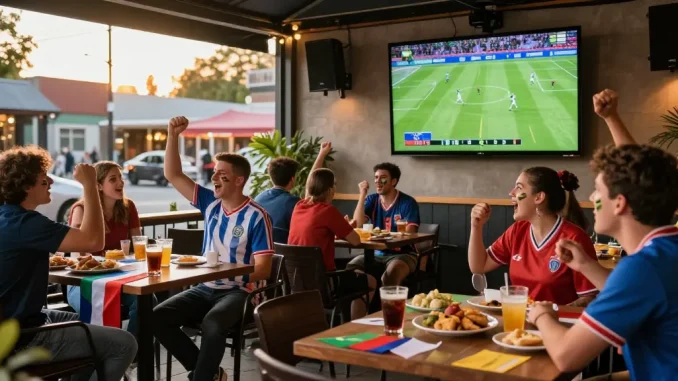
Creating a sense of community is vital for sports organizations looking to engage their fans. By leveraging social media platforms and interactive technologies, teams can cultivate a loyal follower base that actively participates in discussions about live events.
Strategies for Engaging Fans During Matches
Engaging fans during live matches requires innovative strategies. Many teams and broadcasters are now implementing live polls, Q&A sessions, and interactive content to keep viewers invested. For example, during a football match, fans might be encouraged to vote on the play of the game or predict the final score, with results shared in real-time.
Effective Use of Social Media to Promote Live Events
Social media has reshaped how sports events are marketed and consumed. Platforms such as Instagram, Twitter, and Facebook allow teams to share highlights, behind-the-scenes content, and real-time updates, generating excitement leading up to events. Effective strategies include posting timely updates, engaging with fans through comments, and utilizing live streaming features to provide exclusive content.
Creating Interactive Content for Enhanced Fan Experience
Interactive content, such as quizzes, polls, and augmented reality (AR) experiences, can significantly enhance fan engagement. These elements allow fans to connect personally with the event and the teams. For instance, AR can be utilized to offer virtual tours of stadiums or to enable fans to view player statistics by simply pointing their phones at a player’s image during a broadcast.
Technology’s Impact on Live Sports Broadcasting
Technology continues to redefine how live sports are broadcasted and consumed. The rapid evolution of tools and platforms has led to more dynamic and engaging viewing experiences.
Emerging Technologies Transforming Sports Viewing
Emerging technologies such as artificial intelligence, machine learning, and high-definition streaming are transforming the sports viewing landscape. These advancements allow for personalized content delivery and the ability to analyze vast amounts of data, which can enhance commentary and provide insights that were previously unattainable.
Integration of AR and VR in Live Sports Events
Augmented reality (AR) and virtual reality (VR) are becoming increasingly integrated into live sports broadcasts. These technologies offer immersive experiences that allow viewers to feel as though they are part of the action. For instance, VR can create a 360-degree view of a sports event, while AR can overlay real-time stats onto the screen, enriching the viewing experience.
Future Trends in Sports Broadcasting Technology for 2026
As we approach 2026, several trends are emerging in sports broadcasting technology. Enhanced personalization through AI-driven algorithms will allow fans to tailor their viewing experiences, choosing specific angles, commentary styles, and highlight preferences. Moreover, the rise of 5G technology will facilitate quicker streaming and improved connectivity, further enhancing the live sports experience.
Maximizing Monetization through Live Sports Events
When it comes to monetizing live sports events, teams and broadcasters must adopt diversified revenue streams that adapt to changing viewer behaviors.
Revenue Streams for Sports Teams and Broadcasters
Revenue generation in sports broadcasting has shifted from traditional TV rights to multiple sources, including subscription models, advertising, and partnerships. Streaming platforms often employ a mix of subscription fees and advertisements to monetize their content effectively. Additionally, eCommerce integrations and merchandise sales during live events are emerging as profitable avenues.
Effective Advertising Strategies During Live Events
Advertising during live sports events can significantly impact brand visibility and engagement. Innovative strategies, such as dynamic ad placements and interactive commercials that encourage viewer participation, are increasingly popular. For instance, brands can utilize QR codes during broadcasts to direct viewers to exclusive promotions or interactive content.
Partnering with Brands for Enhanced Visibility
Strategic partnerships between sports teams and brands can enhance visibility and extend reach. Collaborations can include co-branded campaigns, product placements during broadcasts, and joint social media initiatives. Such partnerships not only provide financial support to teams but also enhance the overall viewing experience for fans.
Case Studies: Successful Implementations of المصدر in Sports
Examining successful implementations of مصدر provides valuable insights into best practices and innovative strategies used by various organizations.
Analyzing Top Sports Events of 2026
As we anticipate the sports landscape in 2026, analyzing flagship events such as the FIFA World Cup and the Olympics is crucial. These events typically employ the latest technology and source platforms to maximize viewer engagement through interactive broadcasts, fan participation, and comprehensive coverage across platforms.
Lessons Learned from Major Broadcast Failures
Learning from past failures is essential for improving future broadcasts. Significant incidents, such as poor streaming quality or mismanaged event schedules, have provided vital lessons for broadcasters. Implementing robust contingency plans and investing in reliable technology can mitigate risks and enhance viewer satisfaction.
Future Predictions for Sports Event Engagement
Looking ahead, fan engagement during sports events is expected to be more interactive and personalized. With the integration of AI and machine learning, broadcasts will adapt to viewer preferences in real-time, providing tailored experiences that enhance engagement and viewing satisfaction.
What’s the significance of المصدر in the future of sports?
المصدر will continue to play a significant role in shaping the future of sports broadcasting. As technologies evolve, the importance of real-time data and interactive content will likely grow, allowing fans to engage more deeply with the sports they love.
How does technology improve the experience of مصدر in sports?
Technology improves the experience of المصدر in sports by enabling faster access to information, enhancing content delivery through high-definition streaming, and providing interactive features that increase fan engagement. As technology continues to advance, the viewing experience will only become more engaging and responsive to user needs.
What are the trends in sports broadcasting for 2026?
Trends in sports broadcasting for 2026 will likely include increased personalization, enhanced interactivity through AR and VR, and a stronger focus on mobile and digital platforms. As sports fans demand more from their viewing experiences, broadcasters will need to adapt quickly to these changing expectations.
How to engage fans effectively during live sports events?
Engaging fans during live sports events can be achieved through a combination of interactive content, real-time updates, and social media integration. By creating opportunities for fans to participate in the action—through polls, chats, and real-time statistics—teams and broadcasters can foster a sense of community and enhance the viewing experience.
What are the best practices for monetizing live sports?
Best practices for monetizing live sports include diversifying revenue streams, utilizing targeted advertising strategies, and developing partnerships with brands that resonate with the audience. Additionally, leveraging data analytics to understand viewer preferences can help teams and broadcasters optimize their monetization efforts effectively.